Acoustic glass: the right specification for your situation.
Windows and glass surfaces are often the acoustically weakest element in the façade. Standard double glazing (4-16-4) provides a sound insulation of only Rw = 29 dB. That is insufficient when the noise load on the façade exceeds 60 dB, which is frequently the case for busy roads and railway lines.
Glass types and their acoustic performance
The sound insulation of glass is determined by the thickness of the panes, the asymmetry (different thicknesses left and right deliver more damping) and the type of interlayer. Acoustic laminated glass with a PVB sound-insulating interlayer (for example 6-16-44.2A) achieves Rw = 37 dB or more. Triple glazing does not automatically perform better than good acoustic double glazing. The cavity width, gas filling and pane thicknesses determine the result. We calculate the optimal glass composition.
The frame as acoustic weak point
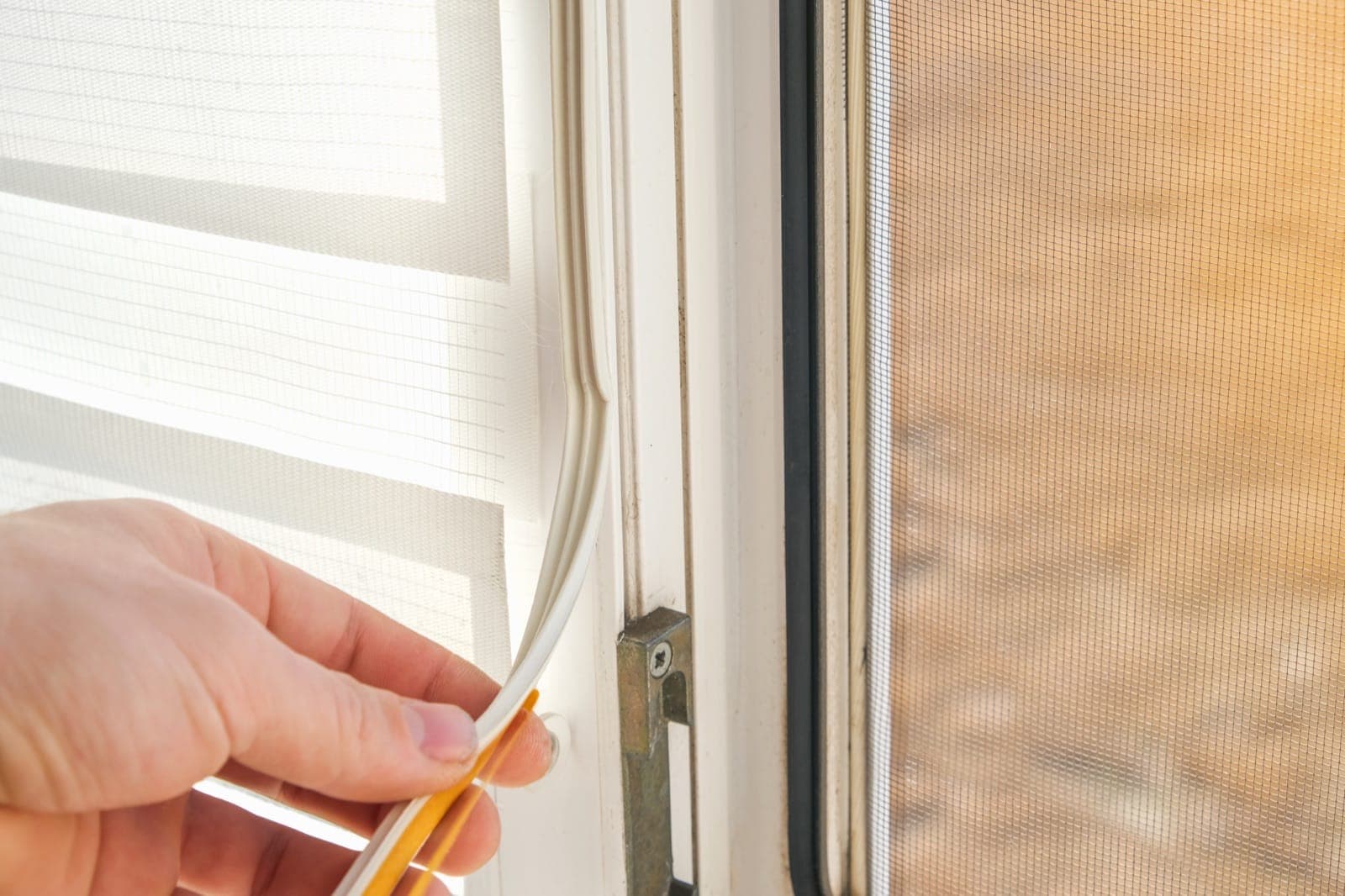
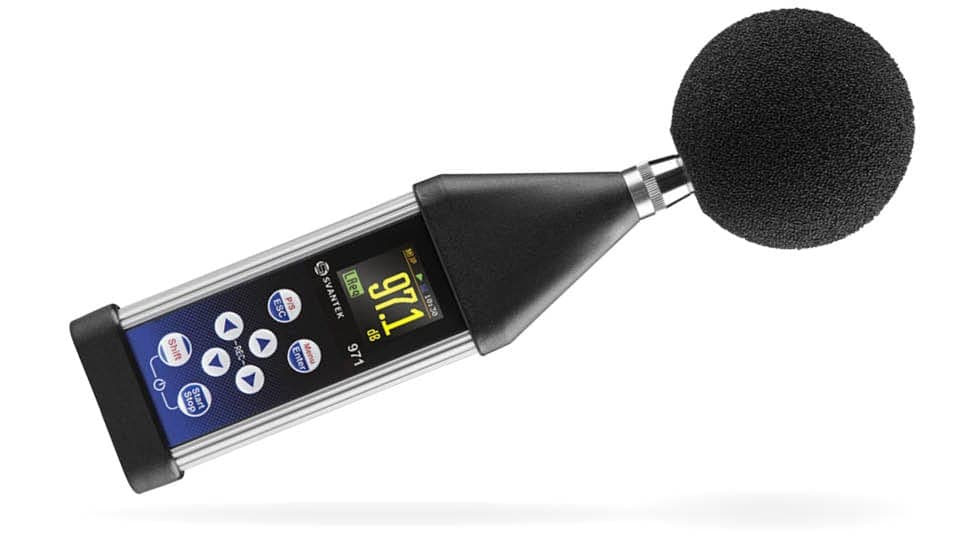
Replacing only the glass is often insufficient. The frame, the gap sealing and the ventilation provisions (grilles, top vents) jointly determine the total façade insulation. A new acoustic glass pane in a poorly sealed old frame yields hardly any improvement. We always assess the complete façade element and advise holistically.
Combining ventilation and sound insulation
Ventilation grilles and open top vents are major sound leaks in the façade. Acoustic vents provide ventilation with sound damping and can improve façade insulation by 10-15 dB compared to an open grille. Sound-dampened grilles are a simpler but less effective option. We specify the right type based on the noise load and the ventilation standard.
Consultation or direct quote
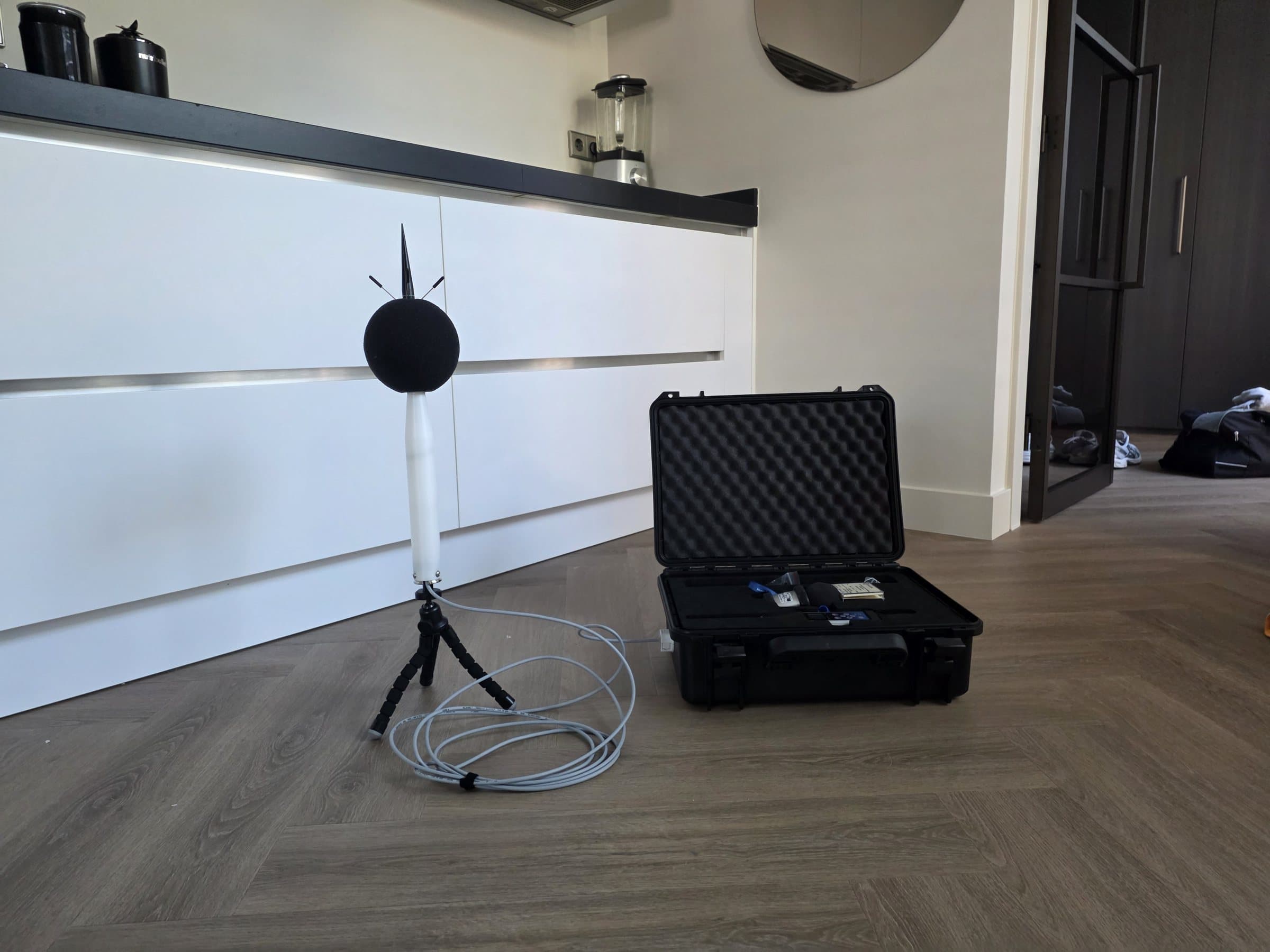
Schedule a free consultation or request a direct quote via the form. We respond within one business day.