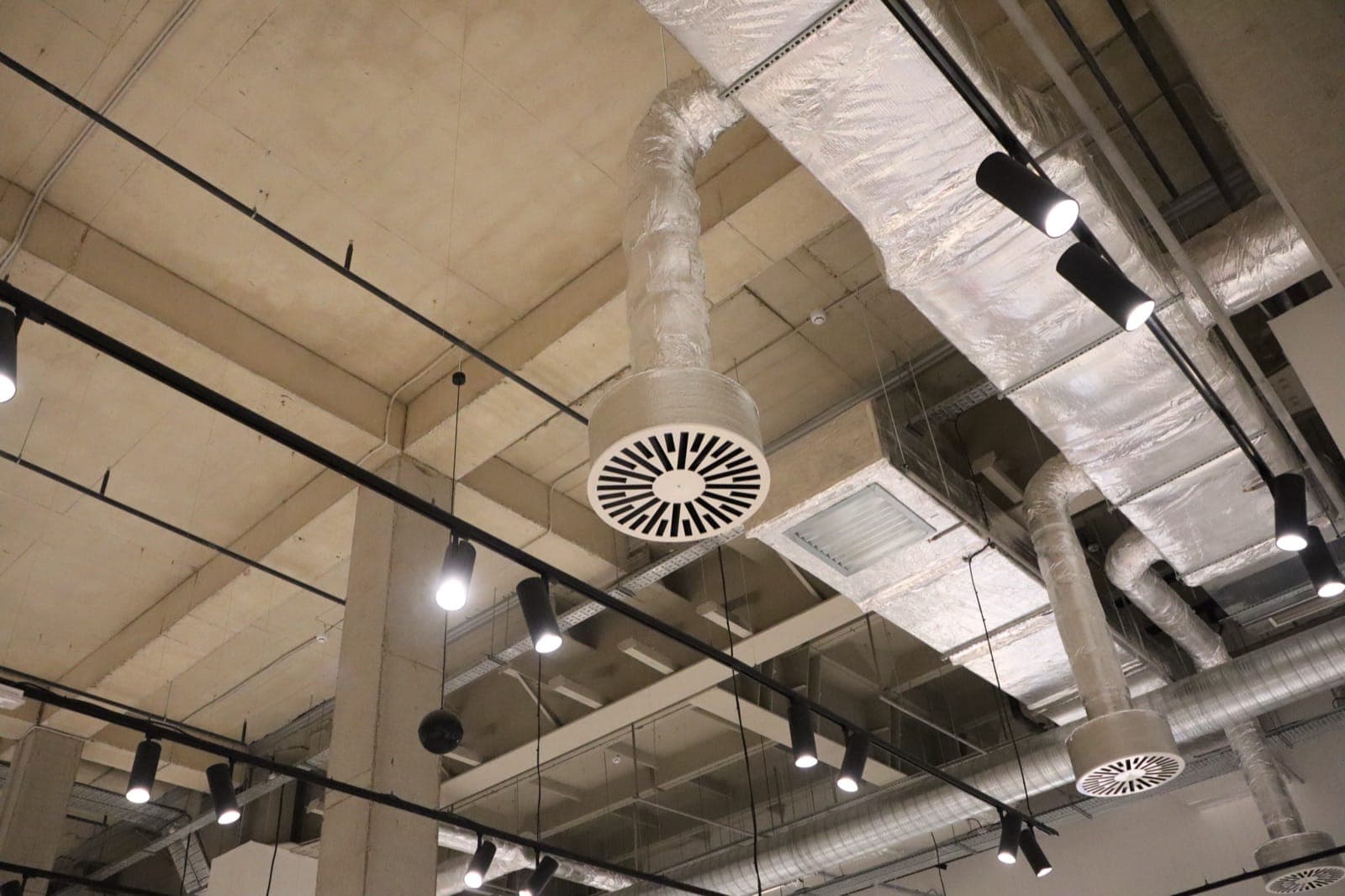
Noise from hospitality? We measure, test and report.
Music from cafés and restaurants, terraces until late at night, running extractors and loading and unloading in the early morning: hospitality noise is a common source of disturbance for residents. There are clear limits, but without objective measurement data enforcement is difficult.
Which noise standards apply to hospitality?
Since 1 January 2024 the noise rules for businesses no longer derive from the Activiteitenbesluit, but from the municipal environmental plan (omgevingsplan) and the Environmental Activities Decree (Besluit activiteiten leefomgeving, Bal). In many municipalities the former limit values from the Activiteitenbesluit still apply as transitional law, until the municipality has revised its environmental plan. We measure and report in accordance with the current measurement rules from the Environmental Regulation (Omgevingsregeling). In most municipalities the familiar limit values at the façade of nearby homes live on as transitional law: 50 dB(A) during the day (07:00-19:00), 45 dB(A) in the evening (19:00-23:00) and 40 dB(A) at night (23:00-07:00). Maximum peak values are 70, 65 and 60 dB(A) respectively. For tonal noise (recognisable bass) a 5 dB penalty is applied. Many hospitality venues exceed the evening and night standards in particular, precisely when residents experience the most disturbance.
Our approach: 7-day long-term measurement
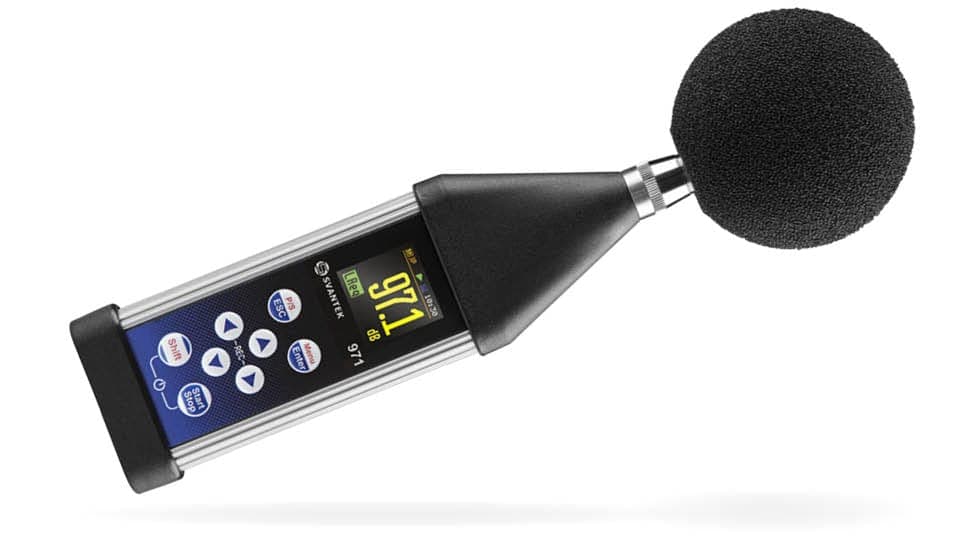
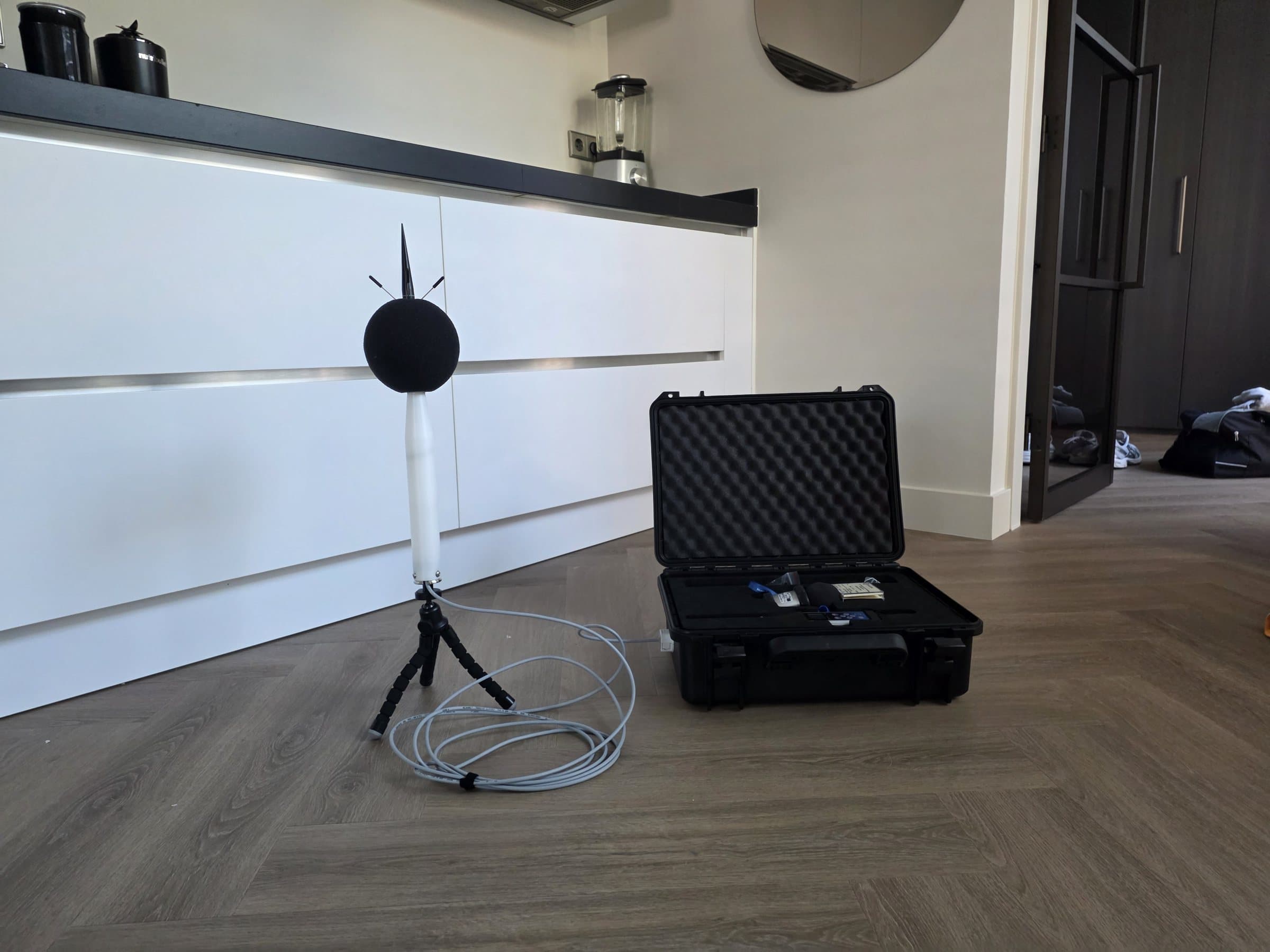
A one-off measurement often misses the peaks. It is precisely the noise on Friday and Saturday nights, or the loading and unloading on Monday morning, that causes the disturbance. We therefore install a meter box (Svantek SV 971A) that records continuously for 7 days and nights. After the measurement period we analyse hourly sound levels, peak values, frequency analysis and correlation with opening hours. The report objectively demonstrates whether the standards are being exceeded.
For residents and for operators
Our report is usable for both parties. Residents can submit it to the municipality as a request for enforcement. Operators use it to demonstrate they meet the standards, or to take targeted measures. We also advise on sound limiters and their configuration, sound insulation of façades and ceilings, and modifications to installations such as extraction and cooling.
Legal context for hospitality noise
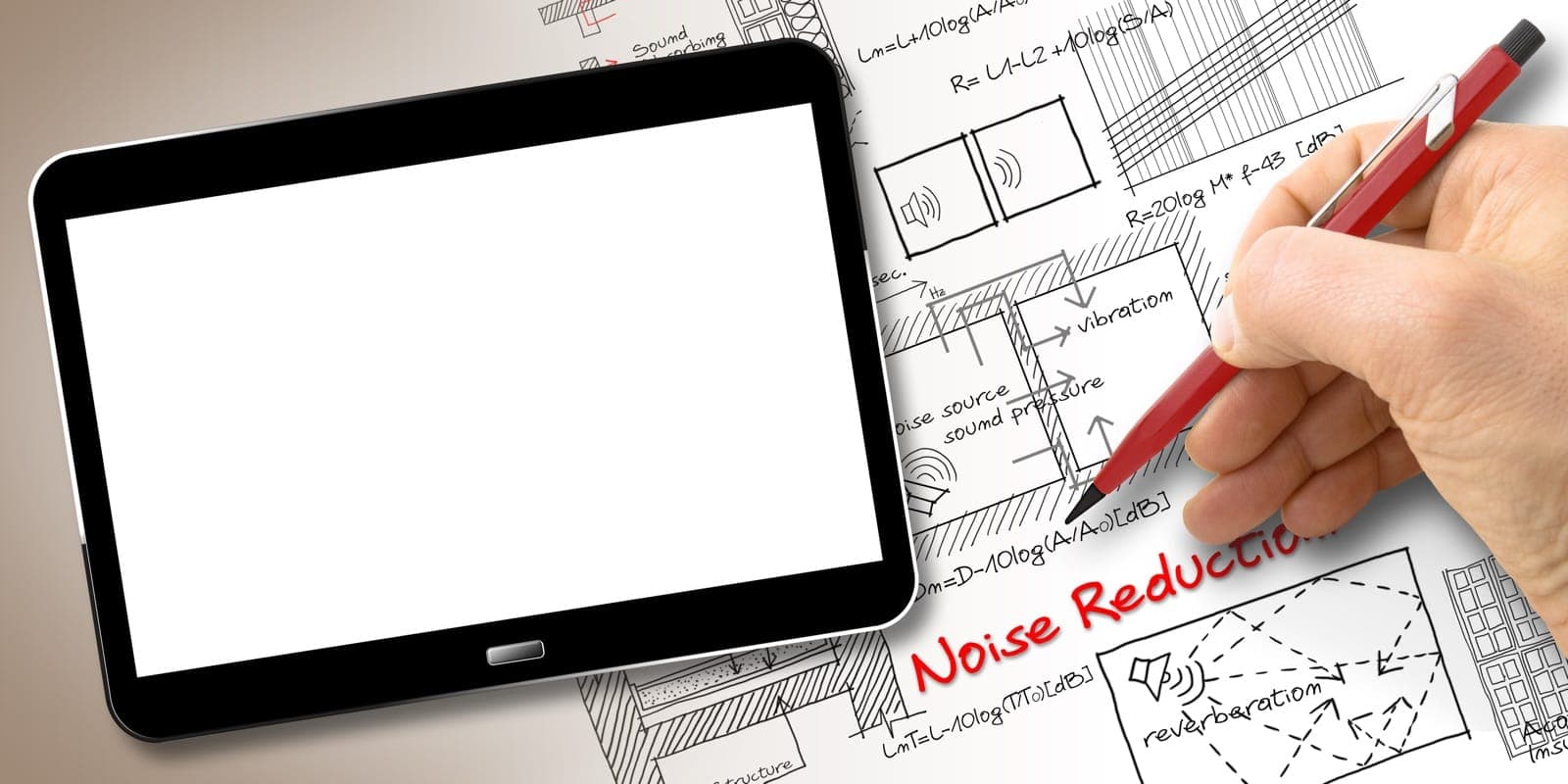
On an enforcement request the municipality assesses whether the environmental plan is being complied with. On violation the municipality can impose a penalty payment order or apply administrative enforcement. In a civil law procedure (article 5:37 Dutch Civil Code) the resident can claim a ban on the disturbance or seek damages. Our report provides the objective evidence required in both routes.
Consultation or direct quote
Schedule a free consultation or request a direct quote via the form. We respond within one business day.